 Premier League
  La Liga
  Serie A
  Bundesliga
  Ligue 1
 In a series of recent international football friendlies, a controversial trend has emerged: three teams that have already qualified for the World Cup were unexpectedly defeated by opponents who failed to qualify.
Specifically, China (ranked 92nd in the world) secured a 2–0 victory over Curaçao (ranked 82nd and making their first-ever World Cup appearance). Meanwhile, South American side Chile defeated Cape Verde 4–2, and Finland claimed a comfortable 2–0 win over New Zealand.
On paper, given rankings and World Cup qualification status, these outcomes appear somewhat unusual, especially as the tournament approaches, making them particularly noteworthy.
Many fans believe these results highlight a growing issue following the expansion of the World Cup: a noticeable gap in overall quality between newly qualified teams and traditional footballing nations.
Some teams that previously struggled to reach the finals have now secured qualification due to the expanded format, yet their competitive level may not fully match the demands of the World Cup stage.
China National Team Delivers Impressive Performance
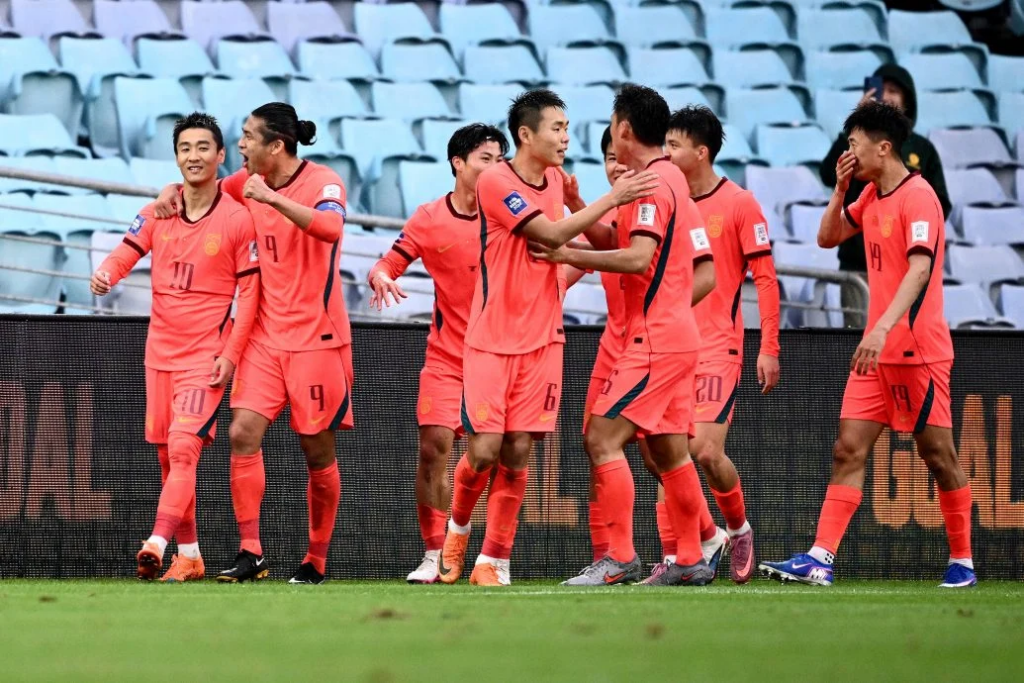
At Sydney Stadium, China delivered a well-organized performance, showing discipline in both attack and defense. In first-half stoppage time, Wei Shihao opened the scoring after receiving a headed assist from Zhang Yuning.
In the 59th minute, a defensive error from Curaçao allowed Zhang Yuning to capitalize and double the lead, sealing a 2–0 victory for China.
This win carries significant importance. It marks China’s first victory of the year and their first win over a World Cup-qualified team in 16 years. The last such result dates back to 2010, when China famously defeated France 1–0 in a major upset.
Shao Jiayi Starts Tenure with a Strong Statement
Notably, this match also marks a winning start for head coach Shao Jiayi in his first international game in charge. The victory provides a positive foundation for his tenure. According to the schedule, China will face African powerhouse Cameroon in Melbourne on the 31st, a match that is already generating anticipation.
Curaçao’s Managerial Change and Tactical Issues Under Scrutiny
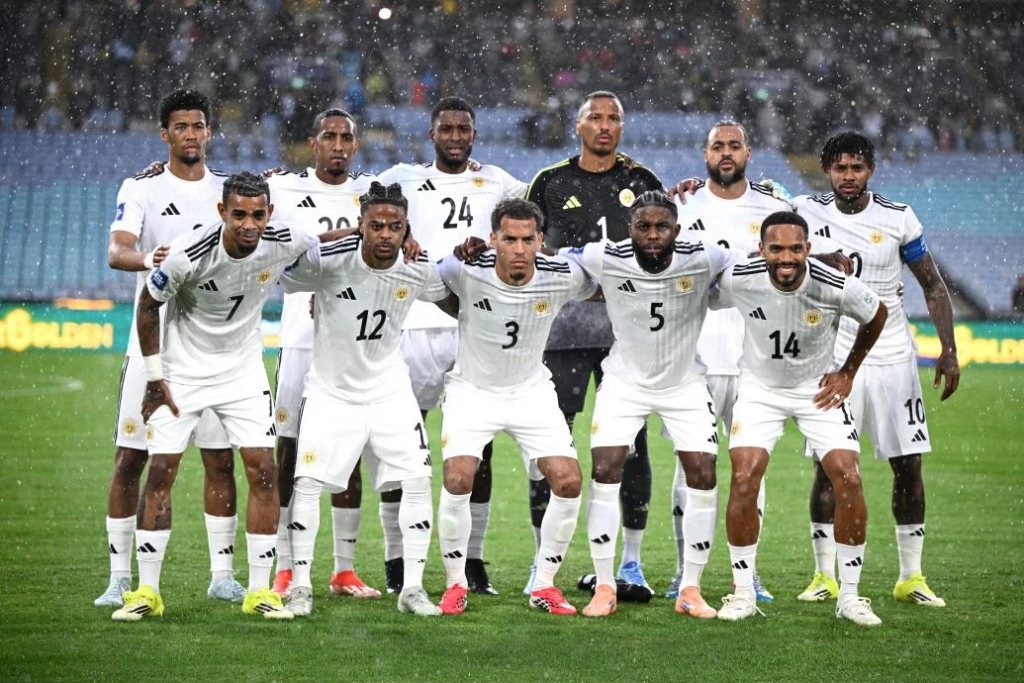
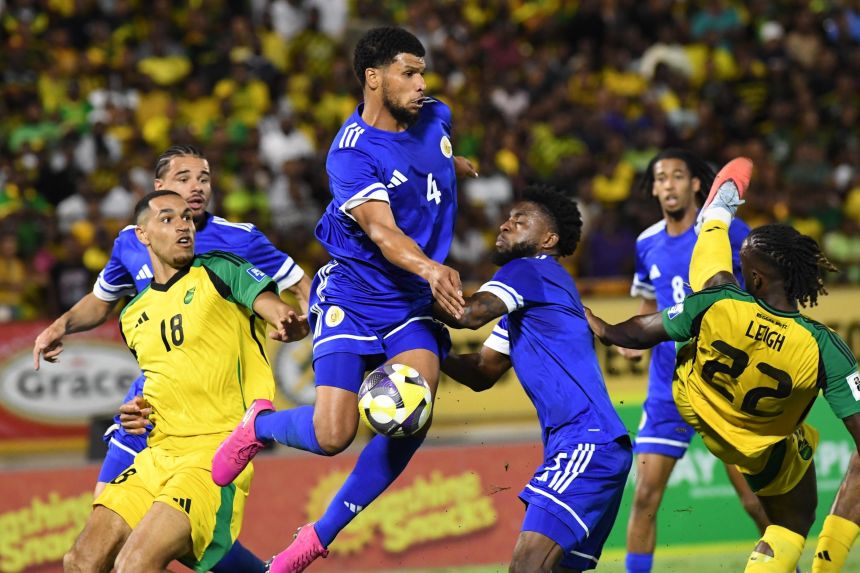
From Curaçao’s perspective, the team has risen rapidly in recent years, largely driven by naturalized players.
Despite being a small Caribbean nation with a land area of just 444 square kilometers and a population of around 160,000, the squad includes several players based in Europe. Their star player, Chen Dayi, is valued at approximately €4.5 million.
However, this defeat exposed clear weaknesses in tactical execution and defensive organization. Critical defensive lapses at key moments directly led to goals conceded.
Additionally, the team’s recent managerial change ahead of the World Cup has been widely cited by fans as a contributing factor. Newly appointed head coach Ruud Hütter has had limited time to implement a cohesive system.
World Cup Expansion: Balancing Opportunity and Quality
With the expansion of the World Cup, more nations now have the opportunity to compete on football’s biggest stage, contributing to the sport’s global growth. However, recent friendly results suggest that some newly qualified teams still lag behind in terms of overall strength, experience, and tactical maturity.
Ultimately, World Cup expansion represents both an opportunity and a challenge. While it enhances inclusivity and global participation, it also raises concerns about maintaining the tournament’s competitive standard.
Striking the right balance between broader representation and high-quality competition will remain a key issue for the future of international football.