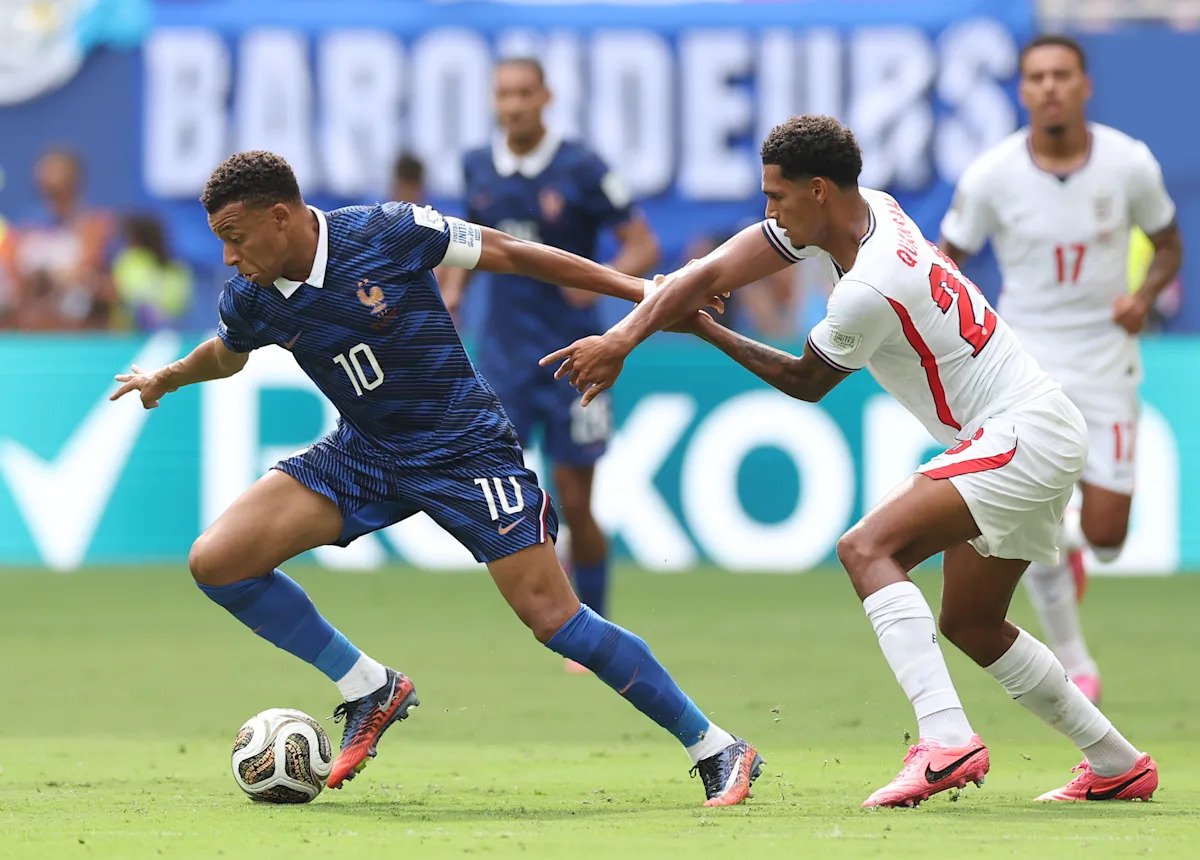
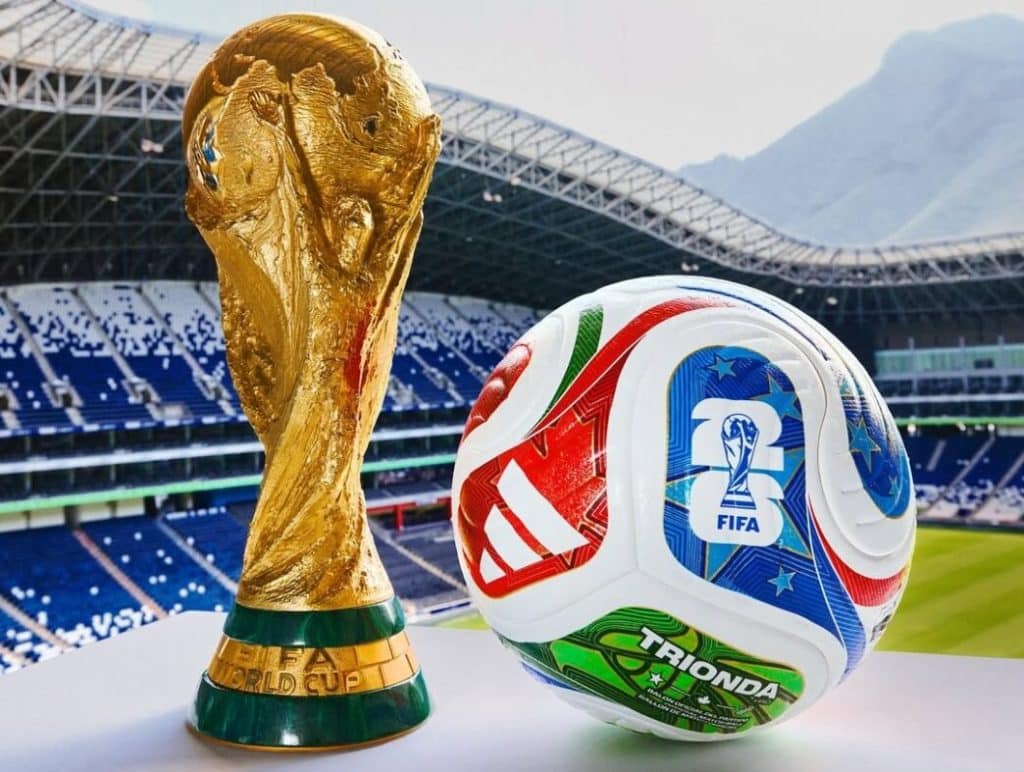
The 2026 FIFA World Cup will be the first in history to be jointly hosted by three countries: the United States, Canada, and Mexico.
This co-hosting model emerged from several factors, including FIFA’s regulatory adjustments, the tournament’s evolving scale, and the advantages of integrating resources among the host nations.
Core Reason: Tournament Expansion Increased Hosting Demands
The primary reason for the three-nation hosting arrangement is the tournament’s expansion. In 2026, the World Cup will grow from 32 teams to 48 teams, increasing the number of matches from 64 to 104. This expansion requires 16 professional stadiums and significantly more infrastructure to support teams, media, and fans.
Hosting such a large event would place considerable pressure on a single country. Therefore, the United States, Canada, and Mexico have divided responsibilities.
The United States will host 78 matches, including all quarterfinals onward, while Canada and Mexico will each host 13 matches. This distribution helps share the logistical burden and ensures smooth tournament operations.
FIFA Rule Reforms Enabled the Joint Bid
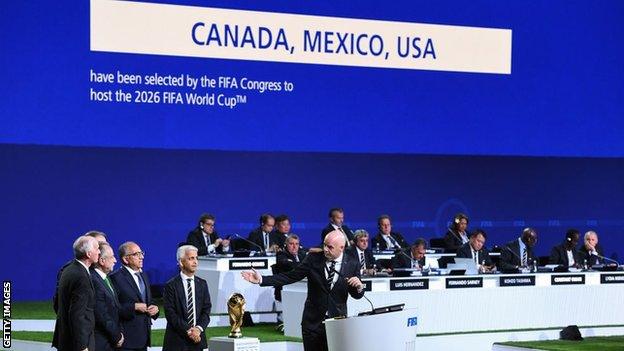
FIFA’s policy changes also played a key role in making the tri-nation hosting possible. For the 2026 bidding process, FIFA reintroduced the possibility of joint bids and reformed the voting system to allow all member associations to vote, bringing the total to 203 voting members.
The joint bid from the United States, Canada, and Mexico ultimately won the hosting rights with 134 votes, defeating Morocco, which received 65 votes. The broad support reflected confidence in the North American proposal.
Resource Integration and Hosting Experience
The combined resources and experience of the three countries made the joint bid particularly strong. All three nations have hosted major international sporting events before, including previous FIFA World Cups.
The tournament will use 16 existing stadiums,11 in the United States, 2 in Canada, and 3 in Mexico, thereby requiring minimal new construction. This aligns with FIFA’s goal of hosting more cost-efficient and sustainable tournaments.
Additionally, the host cities are strategically distributed across North America, helping manage travel logistics for teams and fans while providing access to well-developed transportation infrastructure.
Maximizing Commercial and Promotional Value
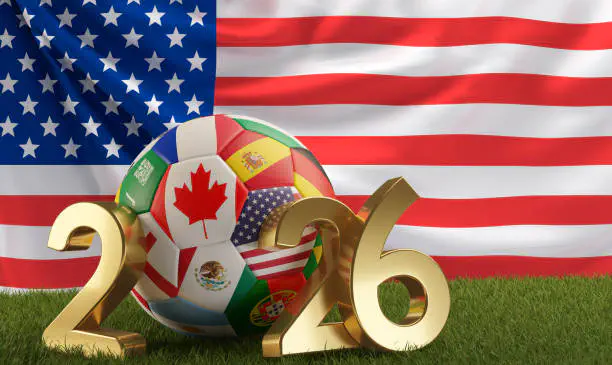
When preparing the bid in 2017, the United States, Canada, and Mexico chose to collaborate rather than submit separate bids.
This strategic decision allowed them to leverage North America’s strong sports business ecosystem, including advanced ticketing systems, global sponsorship opportunities, and powerful broadcasting networks.
By hosting the tournament together, the three countries aim to maximize the commercial potential, global reach, and promotional impact of the World Cup.
A New Model for Future Mega Sporting Events
The joint hosting of the 2026 FIFA World Cup represents an important innovation in how large-scale sporting events can be organized. It allows the tournament to adapt to its expanded format while sharing costs, infrastructure, and organizational responsibilities.
Through cooperation, the United States, Canada, and Mexico demonstrate how international partnerships can enhance the professionalism, spectacle, and commercial success of global sporting events. This model may serve as a reference for future mega-event hosting strategies.