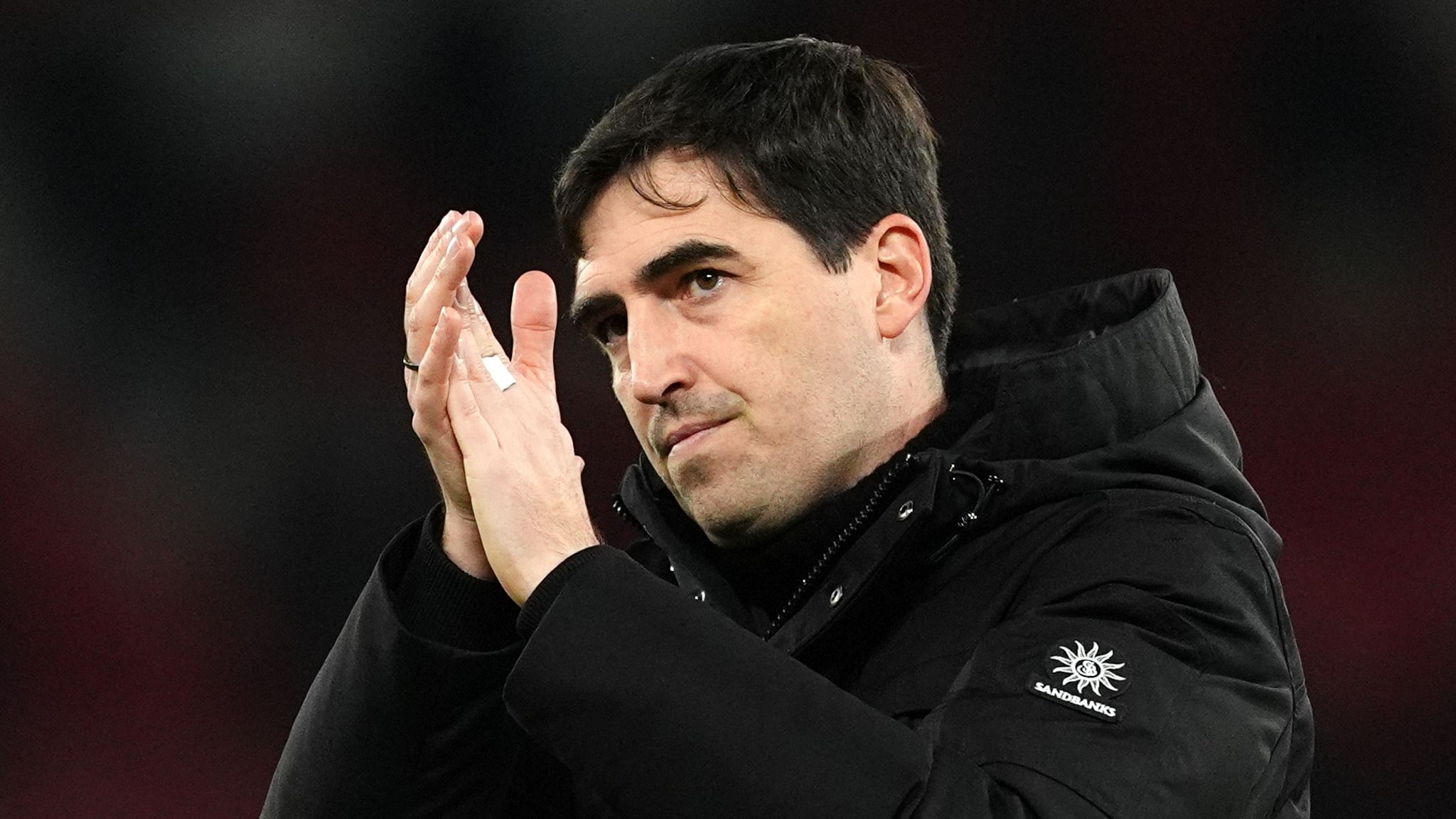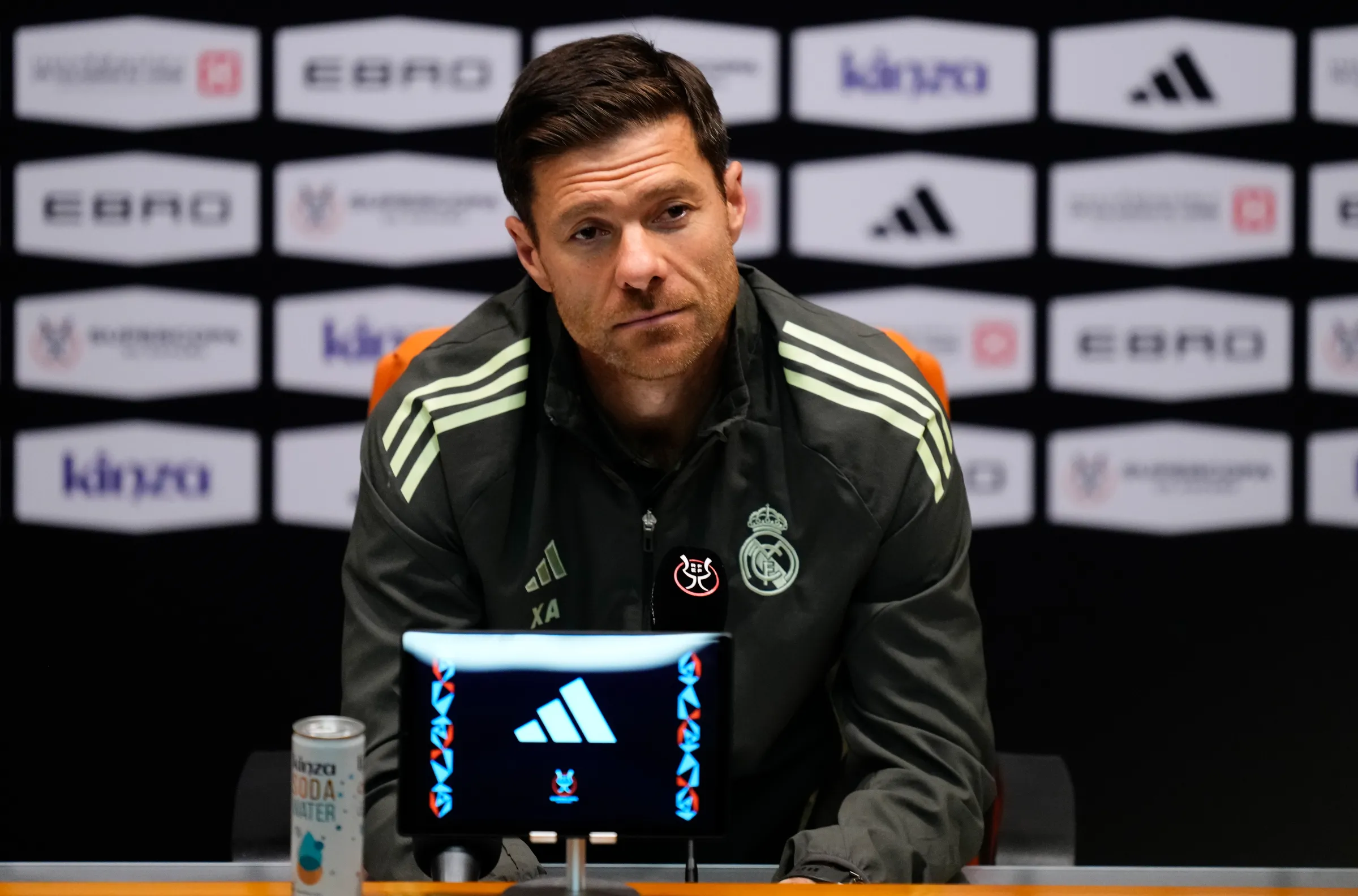
With the dismissal of head coach Amorim, Manchester United has once again become the focus of football discourse. At the beginning of the season, he was widely regarded as a key figure in the club’s rebuilding project. However, the partnership ultimately yielded poor results and a breakdown of trust.
Amorim’s Short-Lived Spell at Manchester United
Amorim’s tenure at Manchester United was brief but turbulent. In the early stages, his tactical ideas gained support from parts of the fan base and the media, particularly his emphasis on youth development and attacking football. These elements were initially seen as positive signals of change.
As the season progressed, however, the team’s performances failed to show meaningful improvement. Following a 1–1 draw against Wolves, United’s hierarchy began to seriously reassess Amorim’s future. A series of dropped points eventually led the club’s management to decide to part ways with him.
Tactical Disagreements and Internal Conflict
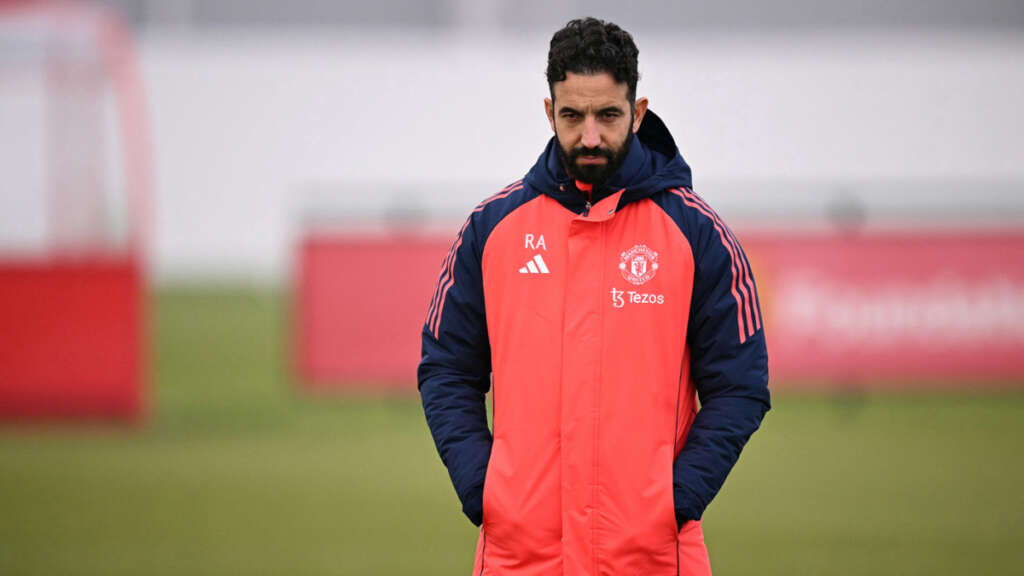
What accelerated Amorim’s dismissal was not merely match results, but deeper tactical disagreements. Amorim remained committed to a three-centre-back system, prioritising structural stability and wide play.
In contrast, the club’s football director, Jason Wilcox, favoured a 4-3-3 system inspired by Manchester City’s model.
This divergence in core tactical philosophy highlighted a fundamental lack of unity over who should define the club’s footballing direction. The absence of alignment between the head coach and the executive level led to friction in training methods, recruitment strategy, and match execution.
Management Dysfunction Makes Success Elusive for Any Head Coach
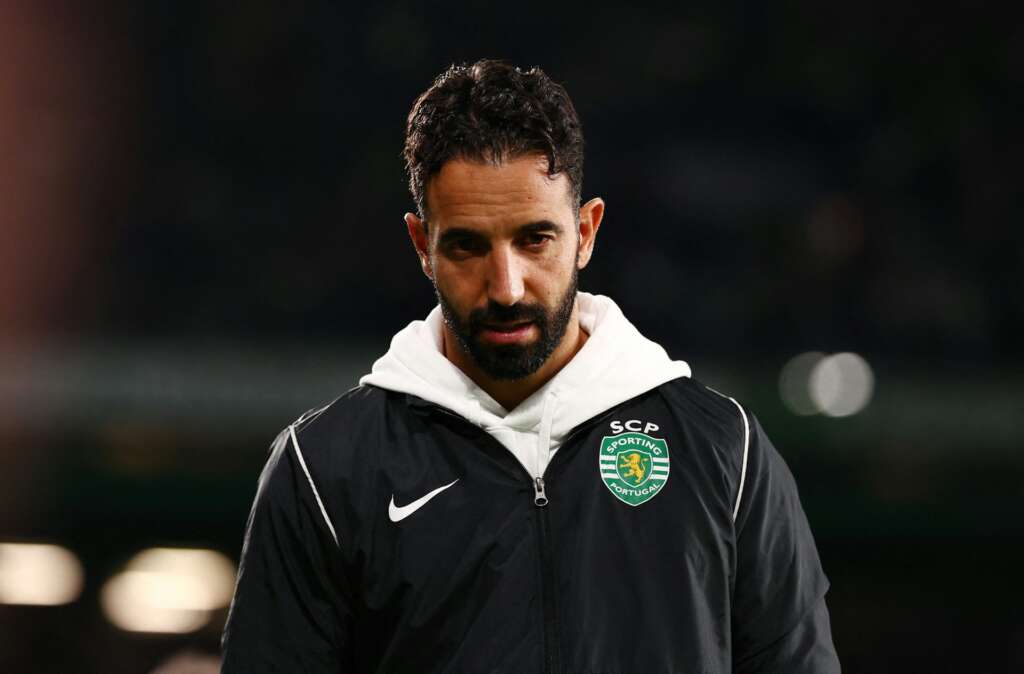
Miguel Delaney, chief football writer for The Independent, pointed out that Amorim’s dismissal was not simply a tactical failure but a symptom of deeper flaws within Manchester United’s management structure.
Following Sir Jim Ratcliffe’s takeover, the club failed to carry out an effective rebuild during the summer transfer window.
There was neither a clear long-term squad-building vision nor sufficient backing for Amorim’s tactical system. Attempting reform without adequate resources or institutional support ultimately doomed his tenure.
Manchester United’s Revival Has Never Been About the Dugout
After Amorim’s departure, Manchester United will inevitably move quickly to appoint a new head coach in order to stabilise the dressing room and guide the remainder of the season. Yet the more important question is not who will take charge, but what kind of football the club wants to play.
Without a unified philosophy and clearly defined lines of authority at the board level, frequent managerial changes are unlikely to bring genuine revival. What supporters truly want is a clear tactical identity, a long-term squad-building strategy, and a management team willing to defer to footballing expertise.
Amorim’s exit is only a brief chapter in Manchester United’s long history, but it serves as another reminder that in modern football, success depends not only on talented players and coaches but on efficient, professional, and direction-driven leadership. If United is to return to the summit, meaningful change must begin there.