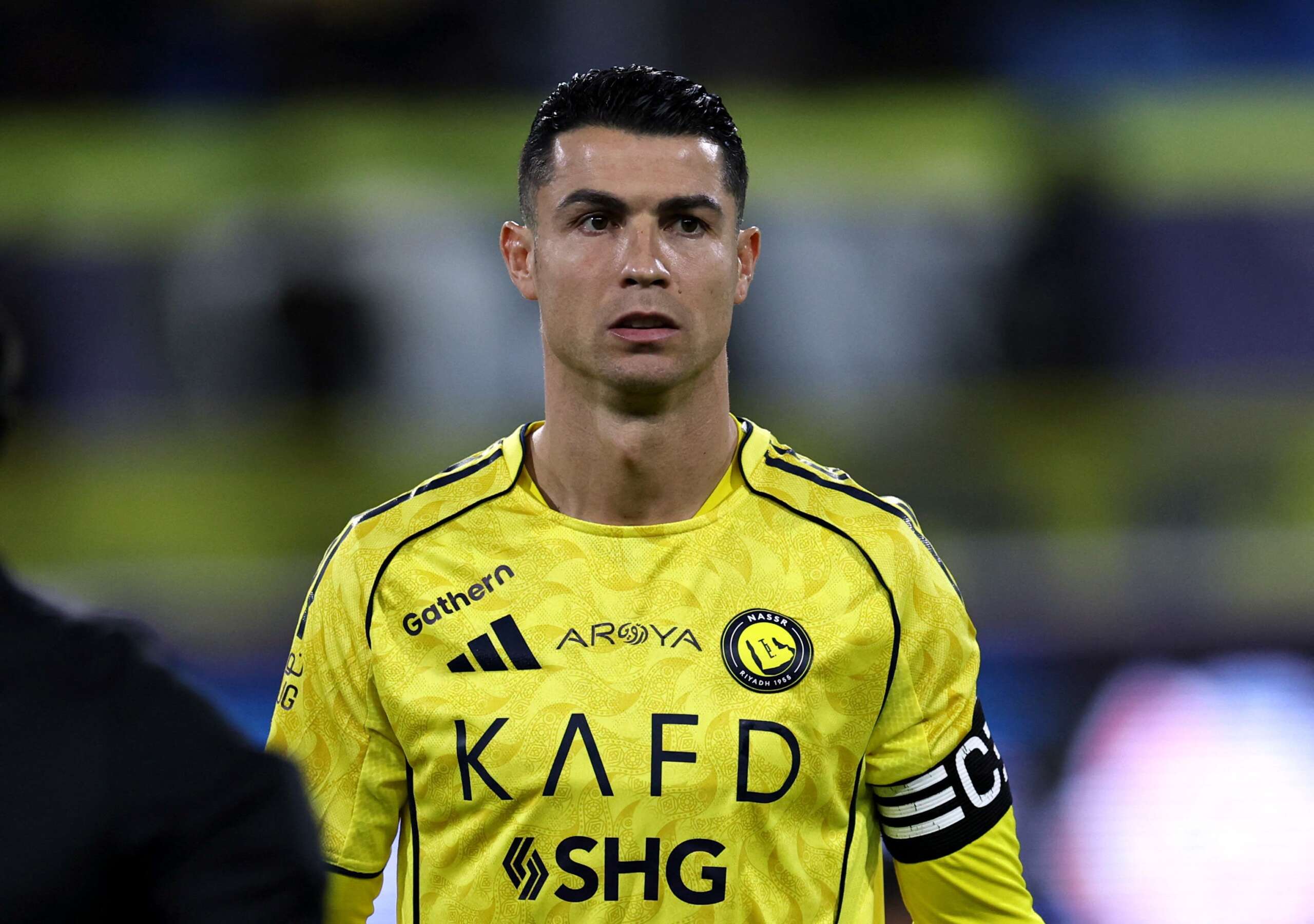
On February 6, 2026, multiple journalists and media outlets confirmed that Cristiano Ronaldo will continue to sit out Al Nassr’s match against Al Ittihad.
Once considered a marquee Saudi league clash, Ronaldo’s ongoing boycott has sharply focused attention on his fractured relationship with the club.
Portuguese Media Reveal the Key Reason
According to reports from Portuguese outlet A Bola, Ronaldo’s decision to strike is not driven by tactical or sporting considerations, but by concerns over delayed salary payments.
If the salary issue is not resolved, Ronaldo will continue to refuse to play, reportedly waiting for his wages before returning to action. As of now, the salary remains unpaid, explaining the ongoing strike.

The “€200 Million Annual Salary” May Be Inflated
There is widespread belief that the publicly stated €200 million annual salary may be inflated, with the actual figure likely to include bonuses and other forms of compensation rather than being entirely fixed income.
From a performance perspective, while Ronaldo continues to attract large crowds to matches, Al Nassr has failed to win trophies in recent seasons, and their league and cup results have been relatively ordinary.
His average match ratings have at times ranked near the bottom of the squad, highlighting a clear gap between on-field output and the expectations tied to such a lucrative contract.
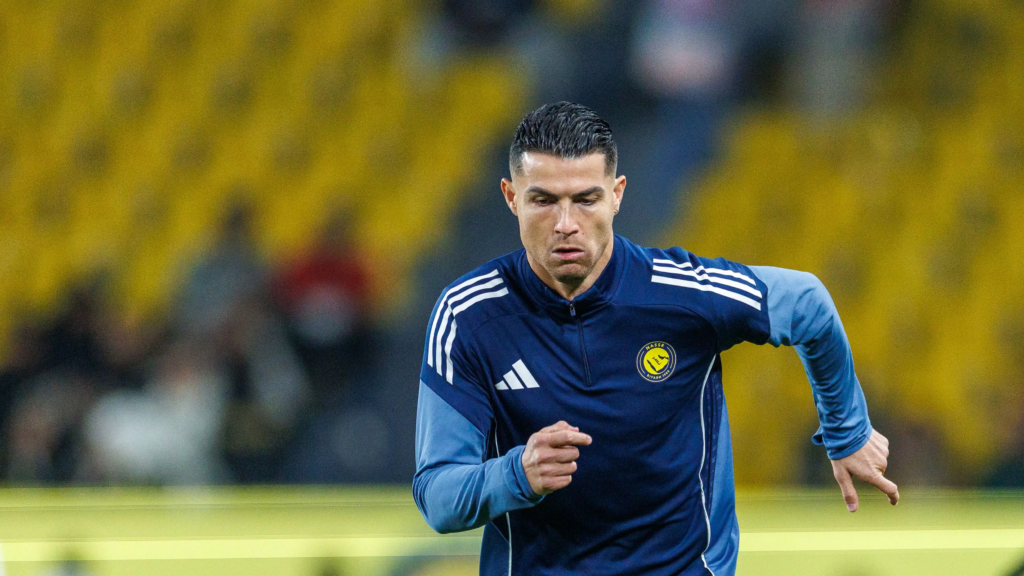
Saudi Media List Four Reasons for the Strike, but Controversy Remains
Some Saudi media, citing insider sources, have listed four reasons behind Ronaldo’s strike.
First, Al Nassr allegedly promised to sign Abdulhamid, but the deal was ultimately hijacked by Al Hilal. Second, Al Nassr did not receive the same level of support as Al Hilal during the winter transfer window, which Ronaldo views as unfair.
Third, Al Hilal completed at least four signings during the winter window. Fourth, Al Nassr’s sporting director and CEO, both Portuguese, were suspended.
However, using these points as the core explanation for Ronaldo’s continued strike is logically unconvincing. These arguments either focus narrowly on short-term winter transfer activity or remain indirect factors, making it difficult to fully explain why a world-class player would choose such a drastic form of protest.

At Its Core, a Battle Over Contract and Trust
Overall, the evidence strongly indicates that Ronaldo’s ongoing strike centers on contractual obligations, specifically salary payments and issues of authority, rather than dissatisfaction with team building or the competitive situation.
Thus, the main issue is unmet contract promises: when financial and contractual expectations are not honored, even a global superstar like Ronaldo may feel compelled to take dramatic action. Resolution likely depends on settling these financial disputes.